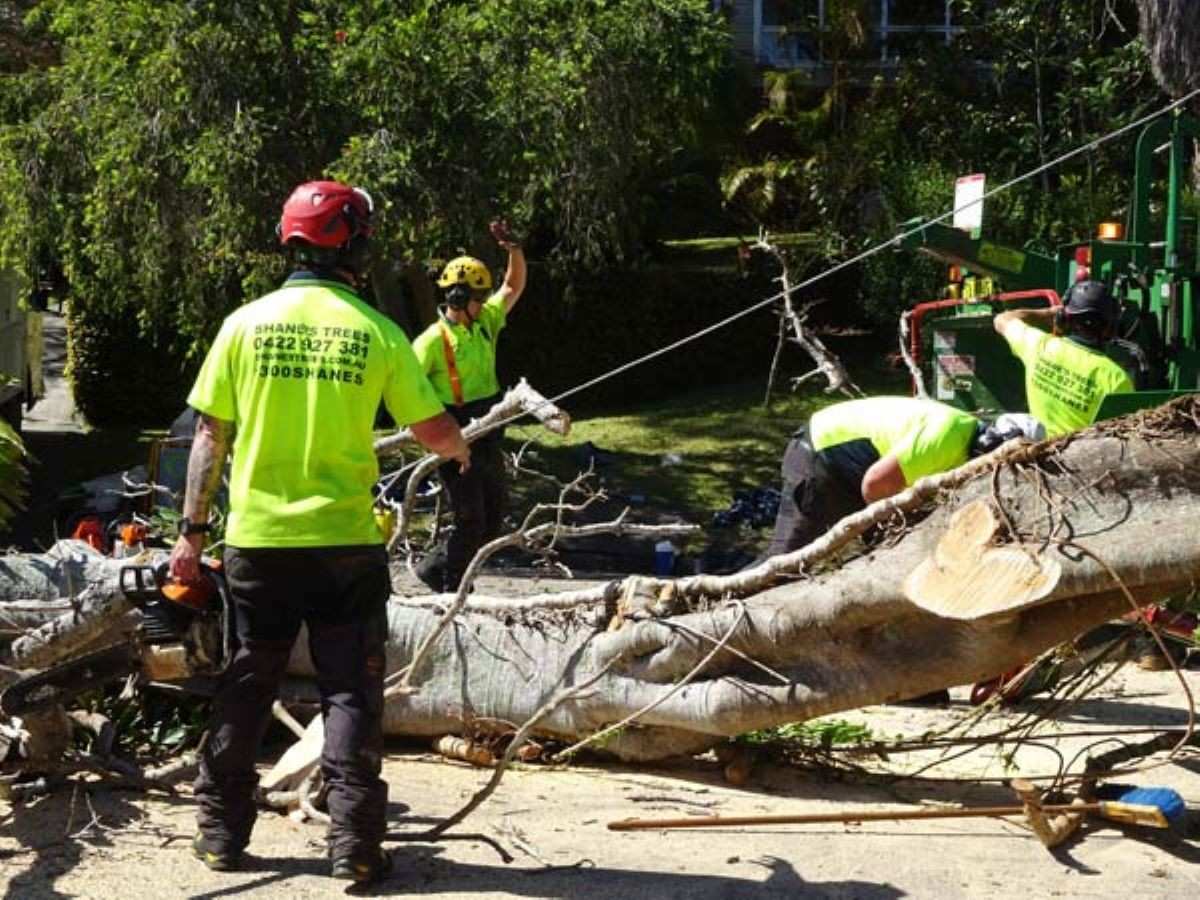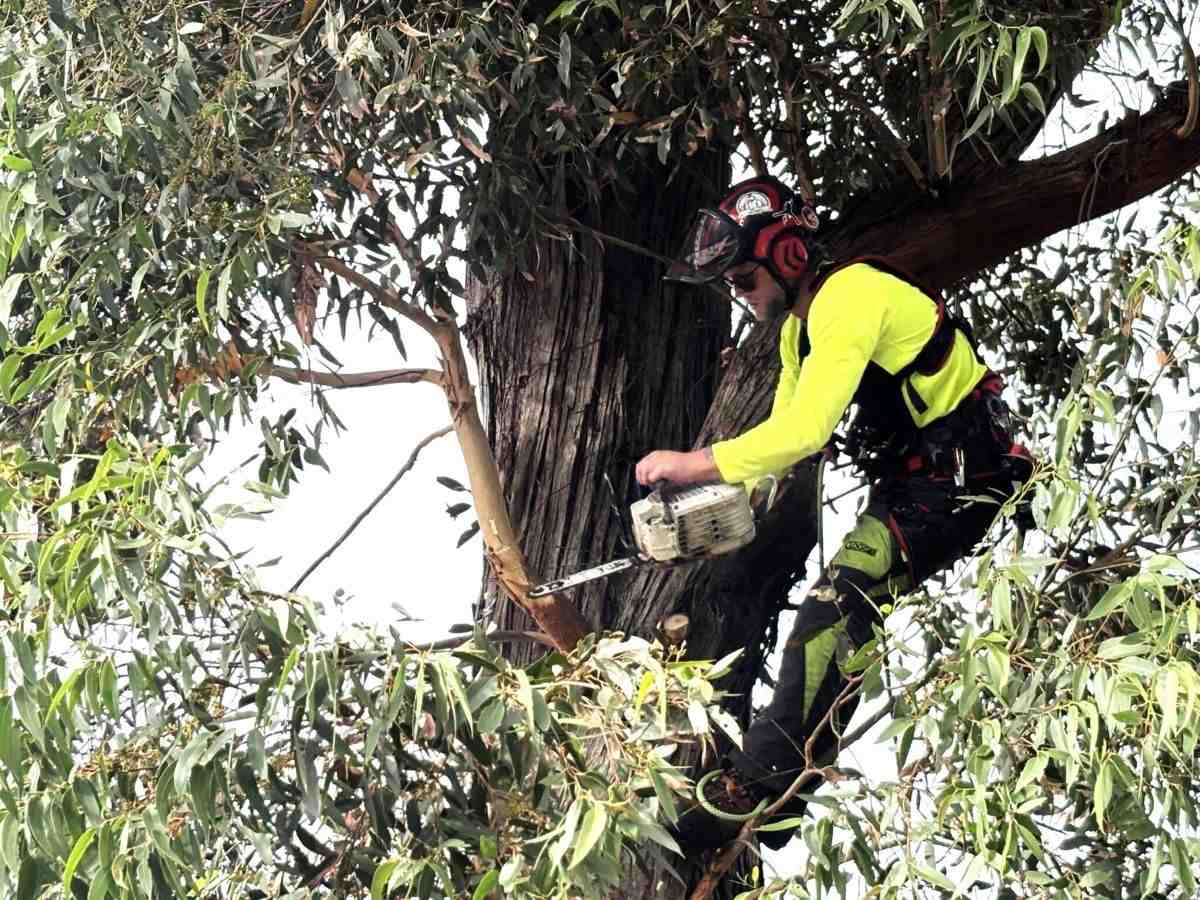
This guide breaks down what professional tree pruning services typically include, how arborists choose what to cut, and what you should confirm in your quote, especially if you are in Sydney where council requirements can shape the scope of work.
What Types of Tree Pruning Services Do Arborists Offer?
A “tree pruning service” usually means selective cutting for health, safety, structure, and appearance, not simply “cutting it back”. The aim is to remove the right branches, using correct cuts, so the tree can recover well and remain stable.
What is the difference between pruning, trimming, lopping, and removal?
These terms get used interchangeably, but they are not the same, and the service scope changes with each one.
- Pruning is targeted removal to improve health, structure, clearance, and risk.
- Trimming often refers to light, aesthetic shaping or routine maintenance, usually on smaller growth.
- Lopping is size reduction using heavier cuts; done poorly it can stress trees, but in professional hands it may be used for maintenance and preservation where appropriate and permitted.
- Tree removal is complete removal from top to roots (often followed by stump grinding), used when the tree is dead, dangerous, or beyond saving.
If a contractor suggests major “lopping” without explaining long-term impacts, regrowth, and council rules, ask more questions before approving the work.
What are the most common pruning jobs?
Most arborists offer a mix of the following, tailored to the tree and site:
- Deadwooding: removing dead, dying, and broken branches to reduce the risk of falling limbs.
- Crown cleaning: removing deadwood plus weak, rubbing, or poorly attached limbs.
- Crown thinning: reducing density to improve airflow and light penetration while keeping the natural shape.
- Crown reduction: reducing height or spread carefully to manage size or wind loading.
- Crown lifting: raising the canopy for clearance over driveways, paths, roofs, fences, or sightlines.
- Structural pruning (formative pruning): guiding young trees to build a strong framework and prevent future defects.
- Clearance pruning: keeping branches away from buildings, cables, roads, and neighbouring boundaries.
A good service is specific about the “why” behind each cut, not just the final look.
Do arborists prune for pests and disease?
Yes. Targeted pruning is commonly used to remove infected or infested parts, reduce spread, and improve the tree’s overall vigour. Professionals will also advise on containment and disposal, since some diseases and pests require green waste to be handled carefully rather than mulched and reused on site.
Why do local results vary so much for “tree pruning near me” or “tree pruning Sydney”?
Because local arborists tailor pruning to species behaviour, seasonal growth patterns, and site constraints, including power lines, neighbours, access, and council controls. In Sydney, local council rules can also affect what can be cut, how much canopy can be removed, and whether approvals are needed.
If you need broader work alongside pruning, such as vegetation clearing or site preparation, a full-service operator (for example, a company like Trees Down Under) may bundle pruning into a wider tree care or land clearing scope where appropriate.
How Do Professionals Decide Which Branches to Prune?
Professionals decide what to prune before any cutting starts, based on tree health, risk, goals, and constraints. The actual pruning is the final step in a process that begins with inspection, prioritisation, and planning.
What do arborists look for during a tree assessment?
A typical assessment checks for visible defects, stress, and failure risk, including:
- dead or drying limbs
- decay, cavities, and soft spots
- cracks, splits, and weak unions
- fungal growth (including fruiting bodies at the base or on limbs)
- insect damage and borer signs
- poor vigour, sparse canopy, or abnormal leaf size/colour
- crossing or rubbing branches that create wounds
- previous poor cuts that have triggered weak regrowth
They also look beyond the tree: targets below (people, cars, roofs), exposure to wind, soil conditions, and access for safe climbing or machinery.
How do professionals choose the “right” cuts?
Good pruning is less about removing lots of wood and more about making correct cuts in correct places. Arborists typically:
- cut at the branch collar to help the tree seal the wound
- avoid leaving long stubs that die back and invite decay
- avoid stripping the canopy, which can trigger stress regrowth and sunscald
- limit how much canopy is removed in one visit to reduce shock (the safe percentage varies by species, age, and condition)
If significant reduction is needed, a staged approach is often safer than a single aggressive cut.
Why does DIY pruning often go wrong?
DIY often fails for four reasons: biology, balance, safety, and compliance. People commonly over-prune, make flush cuts, or “thin” in ways that unbalance the canopy and increase wind loading. There is also the ladder risk, especially when branches are heavy, high, or unpredictable under tension.
In Sydney, there is an added issue: pruning that becomes lopping, or looks like unauthorised removal, can attract complaints or council action. When you hire “tree pruning services near me”, local arborist knowledge can reduce these mistakes because they understand typical species responses and council expectations.

When Is the Best Time of Year for Tree Pruning Services?
The best time depends on the tree species, the pruning goal, and local conditions, so there is no single “perfect month”. Timing is a tool: it affects growth response, stress, and how well the tree compartmentalises wounds.
What timing factors matter most?
Arborists usually schedule work based on:
- whether the tree is actively growing or dormant (varies by species)
- whether flowering or fruiting is a priority
- pest and disease cycles in your area
- weather patterns and storm risk
- the need for access (wet ground can limit machinery)
If your aim is clearance and safety, timing is often flexible. If your aim is health correction or shaping, timing may be more specific.
When does storm damage change the rules?
Storm and safety-driven pruning is different: urgent hazards get dealt with when needed. If you have broken limbs, hanging branches, or a sudden split, the priority is removing immediate risk and making the tree safe, even if it is not the ideal season for elective pruning.
Are there Sydney-specific scheduling issues?
Yes. Demand often spikes after storms, and council approval timelines can affect scheduling where permits are required. If your property is likely to need approvals, factor in time for assessment, documentation, and booking the job, rather than waiting until a branch fails or a neighbour complains.
How can you reduce the need for drastic pruning later?
Plan pruning alongside periodic inspections. Small, regular corrections are usually healthier, cheaper, and less visually jarring than major cuts every few years. Inspections also catch early decay and structural issues before they become emergencies. You may like to visit https://hastingstreeservice.com/arborist-sydney-council-approval/
to learn more about arborists in Sydney and whether you need one for council approval.
How Do Tree Pruning Services Improve Tree Health and Safety?
Good pruning reduces failure risk and helps trees stay healthier for longer. It is one of the few interventions that can improve both the tree’s structure and the safety of the area around it when done correctly.
What safety benefits do you actually get?
Professional pruning can reduce common hazards by:
- removing dead, cracked, and hanging branches
- reducing weight on weak unions and heavy lateral limbs
- improving clearance over roofs, driveways, and pedestrian areas
- managing canopy balance to reduce wind-related failure
- identifying hidden issues during climbing or close inspection
There is also a practical compliance benefit: working with professionals helps avoid illegal lopping or removal that could trigger council action or neighbour disputes.
How does pruning support tree health?
Health gains typically come from reducing ongoing wounds and stress points. Removing rubbing branches prevents repeated bark damage, while selective thinning can improve airflow and light, helping foliage dry faster after rain. Correct cuts also reduce the risk of decay compared with torn limbs or poor DIY stubs.
Many arborists will include simple aftercare guidance, such as monitoring regrowth, watering advice during hot periods, and warning signs that warrant a follow-up inspection.
When is pruning no longer enough?
Pruning has limits. If a tree is dead, severely infected, uprooted, or structurally compromised, a tree removal company may recommend removal instead, meaning complete removal from top to roots (often with stump grinding). A responsible provider should explain why pruning will not solve the underlying risk and outline options, rather than defaulting to removal.

Do Tree Pruning Services Include Clean-Up and Waste Removal?
Most professional tree pruning services include clean-up, but the exact scope depends on the quote, so confirm it in writing. The difference between “basic tidy” and full waste removal can be a meaningful cost and time factor.
What clean-up is typically included?
Common inclusions are:
- cutting and stacking branches into manageable piles
- chipping/mulching green waste (either left on site or removed)
- loading and removing debris
- raking/blowing leaves and small twigs from lawns, paths, and driveways
- basic site reset so the area is safe to use again
If access is difficult (rear gardens, steep blocks, narrow side gates), waste handling may be priced differently.
What should happen at the end of the job?
A good service normally finishes with a short wrap-up, such as:
- a quick walk-through of what was pruned and why
- notes on any risk flags spotted during the work (decay, cracks, pests)
- recommendations for a future pruning cycle or inspection interval
This is also the moment to confirm whether mulch is staying, and where.
What should you ask to avoid surprises in a “tree pruning near me” quote?
Ask for an itemised quote that lists labour, equipment, safety controls (including PPE and traffic/pedestrian management where relevant), and waste removal. If approvals might be needed, clarify who is handling council paperwork and what is included.
If you want a bundled, full-service approach, some local providers (for example, Trees Down Under in the Hills District/North Shore) can combine pruning with vegetation clearing, mulching, or site preparation where needed, backed by appropriate insurance coverage and a risk management plan.