What counts as “tree removal” in Sydney?
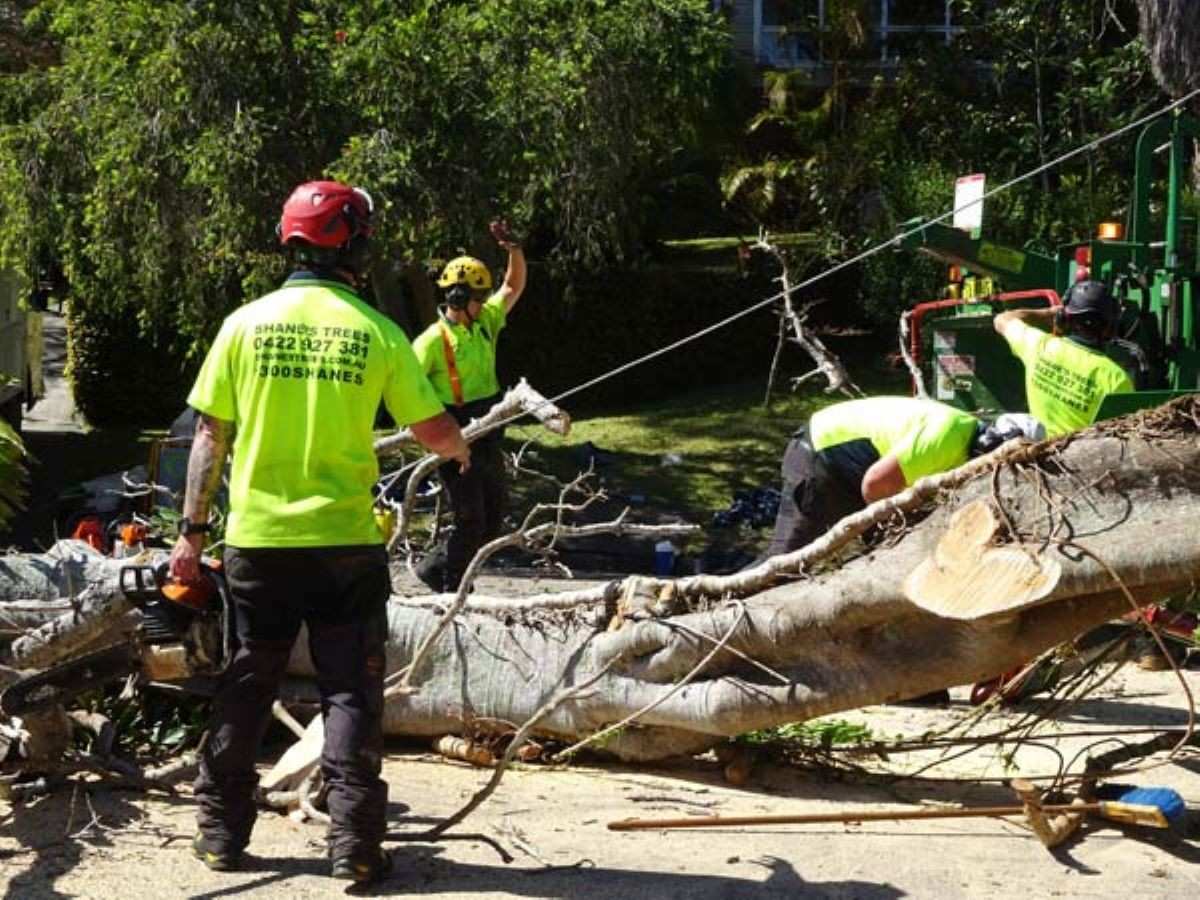
Tree removal usually means dismantling a tree in sections or felling it as a whole, then disposing of the timber and green waste. Some companies also include stump grinding, root management advice, and minor pruning of nearby trees.
In Sydney suburbs with tight access, “removal” often includes rigging, lowering branches with ropes, and protecting roofs, fences, and gardens.
When do they recommend removing a tree instead of pruning it?
Experts providing tree removal services Sydney generally recommend removal when a tree is structurally unsafe, heavily diseased, storm-damaged, or causing serious property risk. Common triggers include major trunk cracks, significant lean with soil heave, hollowing, termite damage, or dead canopy sections.
They may also suggest removal when roots are damaging pipes, driveways, or foundations and mitigation is not practical.
Do they need council approval before they start?
Sometimes, yes. In Sydney, rules vary by council area, and approvals may apply if the tree is protected, above a certain size, or within heritage or environmentally sensitive zones.
Many providers will flag likely approval requirements during the quote and may help with supporting info, but the property owner is usually responsible for ensuring permissions are in place before work begins.
What happens during the first site inspection?
They typically assess tree health, structure, and hazards, then map access and drop zones. They also check nearby assets like powerlines, sheds, pools, retaining walls, and neighbouring properties.
From that inspection, they decide whether they can fell the tree in one piece or must dismantle it in controlled sections.
How do they price a tree removal job in Sydney?
Pricing is usually based on risk and complexity, not just height. Key factors include access for trucks and chippers, proximity to buildings and cables, the need for rigging or cranes, waste volume, and whether stump grinding is included.
They will often quote as a fixed price after inspection, with clear add-ons such as stump removal, log splitting, or timber retention.
What should property owners ask before accepting a quote?
They should ask what is included in the price: removal method, protection measures, waste disposal, and cleanup standard. They should also ask whether stump grinding is included, how deep they grind, and what happens to the grindings.
They may also request proof of insurance, confirmation of who will be on-site, and whether neighbours need notice for access or noise.
What safety steps do they take on the day?
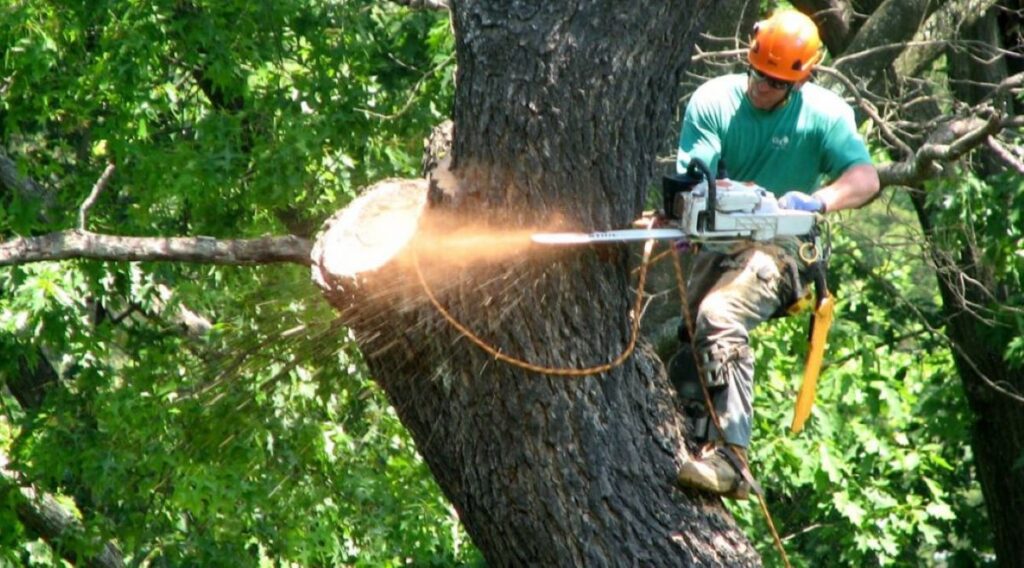
They usually start by setting exclusion zones with barriers and signage, then briefing the crew on the plan. Crew members typically wear PPE, and they position rigging lines and lowering devices before cutting begins.
If there are overhead services, they will keep mandated clearances and may coordinate with the relevant authority if required.
How do they remove a tree in a tight Sydney backyard?
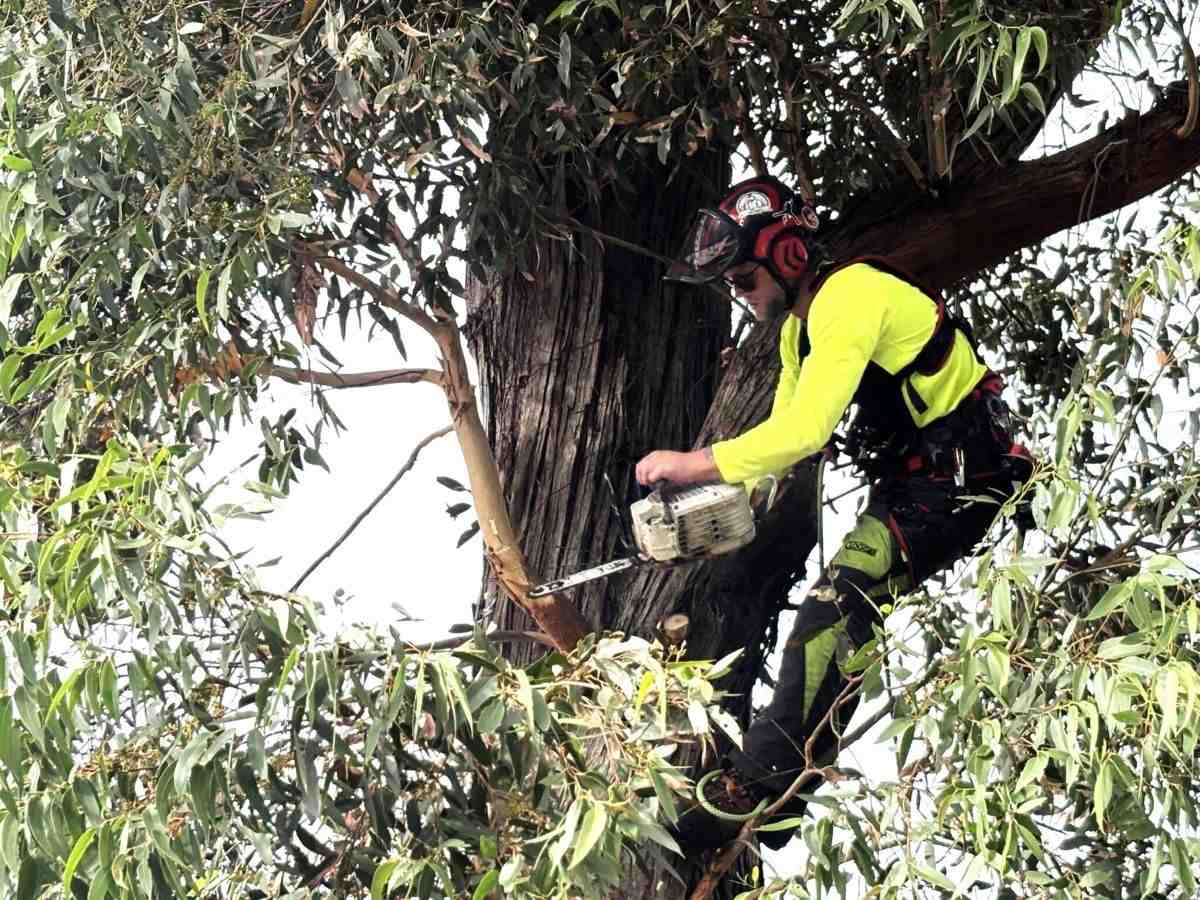
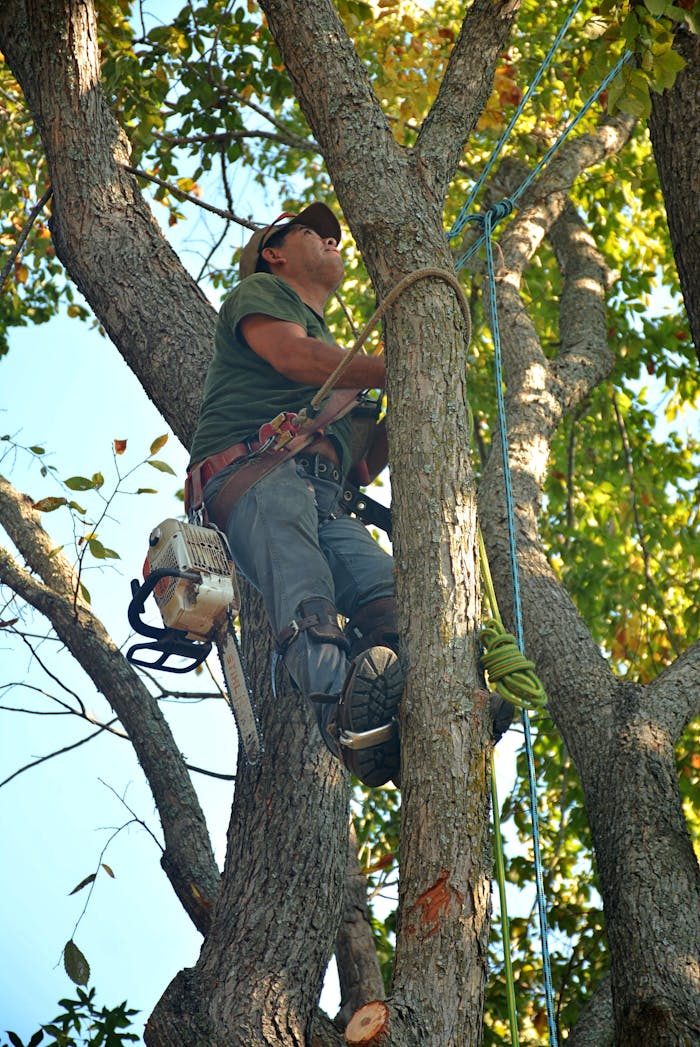
In confined spaces, they usually dismantle the tree from the top down. A climber or elevated work platform removes limbs in small sections while the ground crew lowers and processes debris.
They may use rigging to swing pieces away from roofs and fences, and they often chip branches on-site to reduce volume and speed up removal.
Will they damage lawns, gardens, or driveways?
Good operators aim to avoid damage, but heavy work always carries some risk. They commonly use mats, plywood, and controlled lowering to protect surfaces and reduce compaction.
If access requires driving over lawns or tight side paths, they will usually discuss likely impacts upfront so expectations are clear.
What happens to the wood and green waste?
They typically chip small branches and haul chips and logs away for recycling or disposal. Some companies can leave mulch on-site if requested, and they may cut logs into manageable rounds for firewood, depending on species and access.
If the owner wants timber retained, they should specify it in writing before work starts. For sustainable disposal options, explore ways to reduce waste at home and manage materials more responsibly.
Is stump grinding part of “tree removal,” and what does it involve?
Stump grinding is often an optional add-on. They use a grinder to reduce the stump below ground level, commonly allowing turfing or replanting over the area.
They will usually confirm the grind depth, whether they will remove grindings or leave them, and whether they have checked for hidden services near the stump.
What should they expect after the tree is down?
They generally complete a full rake-and-blow cleanup, remove debris, and leave the site safe and accessible. Many will do a final walk-through to confirm gates, paths, and fences are secure.
If required for strata, insurance, or landlord records, they may also provide an invoice with the tree location and scope of work.
How can property owners prepare for a smoother job?
They can clear access paths, move cars, secure pets, and let neighbours know about noise and parking. They should also confirm gate widths and any locked access points in advance.
If the job is near boundary lines, it helps to agree on access and cleanup expectations with neighbours before the crew arrives.
More to Read : Arborist Epping: Local Tree Care Services for Urban Landscapes
FAQs (Frequently Asked Questions)
What does tree removal in Sydney typically involve?
Tree removal in Sydney usually means dismantling a tree in sections or felling it as a whole, followed by disposing of timber and green waste. It often includes stump grinding, root management advice, minor pruning of nearby trees, rigging, lowering branches with ropes, and protecting roofs, fences, and gardens especially in tight access areas.
When is tree removal recommended over pruning in Sydney?
Removal is generally recommended when a tree is structurally unsafe, heavily diseased, storm-damaged, or poses serious property risks such as major trunk cracks, significant lean with soil heave, hollowing, termite damage, dead canopy sections, or roots damaging pipes, driveways, or foundations where mitigation isn’t practical.
Is council approval required for tree removal in Sydney?
Council approval is sometimes required depending on the local council area. Approvals may apply if the tree is protected, above a certain size, or located within heritage or environmentally sensitive zones. Many providers will flag likely approval requirements during quoting but the property owner is usually responsible for securing permissions before work begins.
How do Sydney tree removal companies conduct site inspections?
During the first site inspection, they assess tree health, structure, hazards; map access and drop zones; check nearby assets like powerlines, sheds, pools, retaining walls and neighbouring properties. They decide whether to fell the tree whole or dismantle it in controlled sections based on these factors.
What factors influence the pricing of tree removal jobs in Sydney?
Pricing is based on risk and complexity rather than just height. Key factors include access for trucks and chippers, proximity to buildings and cables, need for rigging or cranes, waste volume, and inclusion of stump grinding. Quotes are often fixed prices after inspection with clear add-ons such as stump removal or timber retention.
What safety measures are taken during tree removal in Sydney?
Safety steps include setting exclusion zones with barriers and signage; crew briefings; wearing personal protective equipment (PPE); positioning rigging lines and lowering devices before cutting; maintaining mandated clearances from overhead services; and coordinating with relevant authorities if needed to ensure safe operations.