Arborist In Sydney: Do You Need One For Council Approval
The short version is this: council approval often depends on evidence, and the evidence is usually an arborist report.
What does “council approval” actually mean for trees in Sydney?
An arborist in Sydney understands that local councils control what can be pruned, removed, or altered, especially for larger or protected trees. Many councils have Tree Preservation Orders, Development Control Plans, or similar policies that restrict work unless a permit is granted. If you are unsure about whether your tree work requires approval or want help with compliant removal, Click here for more information.
Rules vary by council area, so what is allowed in one suburb may be refused in another. The approval process usually requires an application, supporting documents, and sometimes an inspection.
When is an arborist needed for council approval in Sydney?
They are typically needed when council requests professional evidence about the tree’s health, risk, structure, or suitability to remain. If the owner is applying to remove a tree or to do major pruning, councils often want documentation prepared by a qualified arborist.
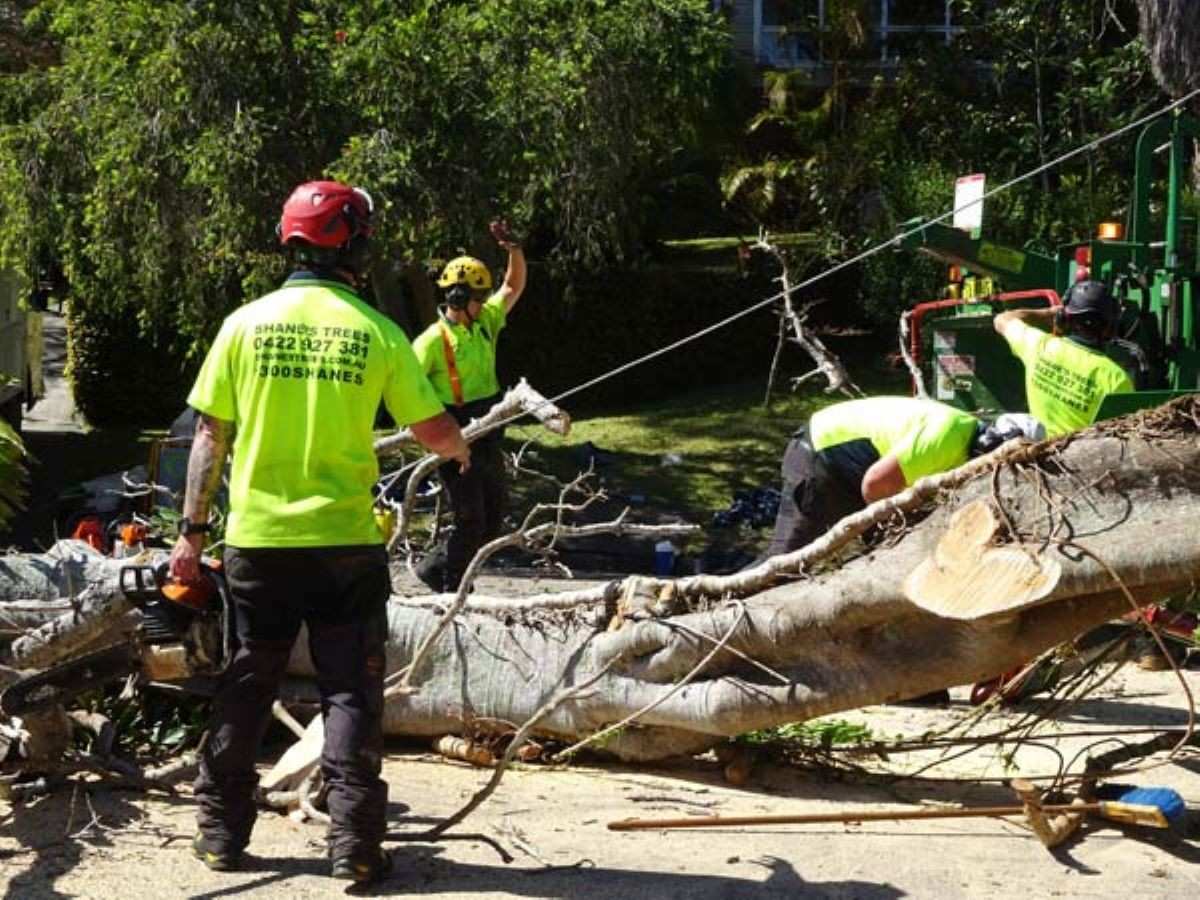
They may also be required when a tree is claimed to be hazardous, dying, storm-damaged, or causing structural issues. In disputes, an arborist’s assessment often carries more weight than photos or a written statement from the owner.
Do all councils require an arborist report?
No, not always, but many do in practice for anything beyond minor works. Some councils allow certain pruning under exemptions, such as deadwood removal or minor limb reduction, without formal reports.
However, when a tree is significant, close to a boundary, part of a heritage setting, or likely to be protected, councils commonly ask for an arborist report before they will approve. If council officers are uncertain, a report helps them make a defensible decision.
What types of tree work usually trigger a permit?
Permits are often triggered by removal, heavy pruning, and work to trees above a certain height or trunk diameter. Councils may also regulate trees by species, heritage value, ecological significance, or whether they sit in a conservation area.
Even if the owner believes the work is reasonable, the council may still classify it as “substantial pruning” or “removal” and require approval. A quick check of the local council’s tree rules is usually the first step.
Can an arborist help if the tree is dangerous or storm damaged?
Yes, that is one of the most common reasons they are engaged. Councils are more likely to approve urgent work when risk is clearly documented, especially if there is a chance of failure affecting people, homes, vehicles, or neighbouring properties.
A good arborist will identify defects, targets, likelihood of failure, and practical risk controls. If immediate action is needed, their report can support an emergency application or confirm why rapid pruning or removal was necessary. Check out more about removing & pruning trees.
What should an arborist report include for a council application?
It should directly answer the question the council will ask: should the tree stay, be pruned, or be removed, and why. Councils typically expect clear identification of the tree, its size, condition, and location, plus recommendations that align with recognised arboricultural standards.
A strong report often includes a risk assessment, defect observations, photos, and a practical scope of works. Where removal is requested, councils often expect justification and, in some cases, replacement planting suggestions.
Does hiring an arborist guarantee council approval?
No, approval is never guaranteed, because councils weigh policy, amenity, canopy cover, and neighbourhood character, not just tree condition. Even if a tree is inconvenient, the council may still refuse removal if it is healthy and protected.
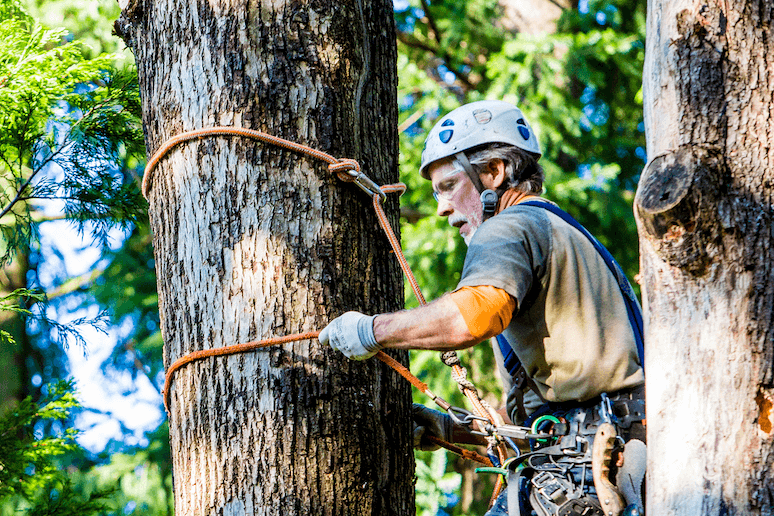
What an arborist does provide is credibility and clarity. Their report can reduce delays, minimise back and forth, and help the council assess the application using evidence rather than opinion.
What happens if someone removes or prunes a tree without approval?
They may face fines, orders to replant, or legal action, depending on the council and the severity of the breach. Councils can also require remediation, including planting advanced replacement trees, which can be costly.
There is also a practical risk: unauthorised works can complicate future development applications and trigger neighbour disputes. When approval is required, getting it first is usually cheaper than dealing with enforcement later.
How can property owners check whether they need approval?
They should start with their local council website and search for tree permits, tree preservation, or pruning and removal rules. Many councils publish thresholds, exemptions, and application forms, though the wording can be technical.
If the situation is borderline, the safest option is to ask the council directly or engage an arborist for advice before works begin. A short consultation can prevent an expensive mistake.
Who should they hire if they need an arborist in Sydney?
They should look for an arborist with relevant Australian qualifications and experience preparing council-ready reports. It also helps if the arborist regularly works within the specific council area because they will understand common requirements and typical sticking points.
They should ask whether the arborist can provide a written report suitable for submission, not just a quote for tree work. Clear documentation is often the difference between a quick decision and a refused or delayed application. To understand what is typically covered in a professional service, see what tree pruning services actually include and how they are carried out.
What is the simplest takeaway for council approval?
If council approval is likely, an arborist is often the most practical way to support the application. They help translate a tree issue into the evidence councils need to make a decision.
When in doubt, the safest approach is to confirm local rules first, then use an arborist report to avoid delays, refusals, or compliance problems.
FAQs (Frequently Asked Questions)
What does council approval mean for tree pruning or removal in Sydney?
Council approval means the local council regulates what can be pruned, removed, or altered, especially for larger or protected trees. Many councils have Tree Preservation Orders or Development Control Plans that require permits before any significant tree work can proceed.
When is an arborist report required for tree work approval by Sydney councils?
An arborist report is typically required when applying to remove a tree or undertake major pruning. Councils often request professional evidence regarding a tree’s health, risk, or structural condition to support the application, especially if the tree is hazardous, storm-damaged, or causing structural issues.
Do all Sydney councils require an arborist report for tree pruning or removal?
Not all councils always require an arborist report, but many do for anything beyond minor works. Exemptions may exist for minor pruning such as deadwood removal. However, for significant trees—especially those near boundaries or with heritage value—councils commonly request a qualified arborist’s assessment before granting approval.
What types of tree work usually need a permit from Sydney councils?
Permits are generally needed for tree removal, heavy pruning, and work on trees exceeding certain height or trunk diameter thresholds. Councils may also regulate based on species, heritage status, ecological significance, or conservation area location, so checking local rules is essential before proceeding.
Can an arborist assist with urgent tree work due to danger or storm damage?
Yes. Arborists can assess and document risks associated with dangerous or storm-damaged trees. Their reports help councils approve urgent pruning or removal by identifying defects and practical risk controls, supporting emergency applications when immediate action is necessary.
What should be included in an arborist report for council applications in Sydney?
A comprehensive arborist report should clearly identify the tree (size, condition, location), provide a risk assessment and defect observations, include photos, and recommend whether the tree should stay, be pruned, or removed with justification. Where removal is requested, suggestions for replacement planting may also be expected.