

A local arborist in Epping typically supports homeowners, landlords, strata, schools, and small businesses with practical tree care that suits suburban blocks and built-up streets. The goal is simple: keep trees healthy, reduce risk, and prevent expensive damage before it starts.
What does an arborist in Epping actually do?
Tree services Epping specialists assess, maintain, and manage trees using industry practices, safety systems, and tree biology knowledge. Most jobs involve balancing tree health with site constraints like fences, driveways, powerlines, and neighbouring properties.
Common services include tree inspections, pruning, removals, stump grinding, hedge reduction, cabling and bracing, and emergency storm response. Many also provide written reports for insurance, council, or strata requirements when a decision needs evidence, not opinions.
Why do urban landscapes in Epping need specialised tree care?
They contain more hazards and stress factors than open rural settings. Trees often grow close to homes, garages, underground services, and footpaths, so minor neglect can quickly become structural damage or safety risk.
Urban trees also face restricted root zones, poor drainage, reflected heat, and frequent pruning mistakes. A specialist approach prevents issues like unstable canopies, cracked unions, decay development, and root-related lifting of paving.
When should a property owner call an arborist?
They should call as soon as there are visible changes or site concerns. Early inspections are cheaper and safer than reacting after a branch falls or a neighbour complains.
Typical triggers include deadwood, sudden leaf drop, fungal growth at the base, trunk splits, peeling bark, leaning after storms, branches over roofs, rubbing limbs, or roots lifting paths and driveways. They may also call before renovations to avoid digging into major roots or breaching tree protection rules.
How do arborists prune trees safely in tight suburban spaces?
They use targeted pruning methods that reduce risk without over-thinning or topping. The aim is to improve structure, clearance, and wind performance while preserving the tree’s ability to photosynthesise.
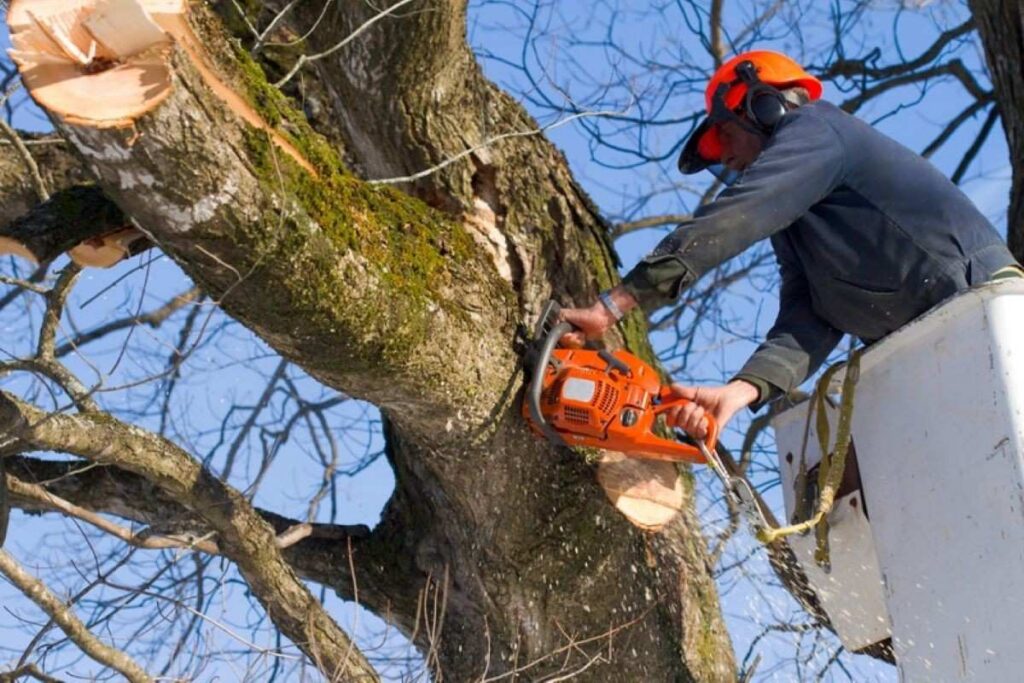
Good pruning usually focuses on deadwood removal, weight reduction on extended limbs, crown cleaning, and clearance from roofs and service lines. They should avoid heavy lopping because it can trigger weak regrowth, sunburn, and long-term decline, especially on stressed urban trees.
What should they expect from tree removal and stump grinding?
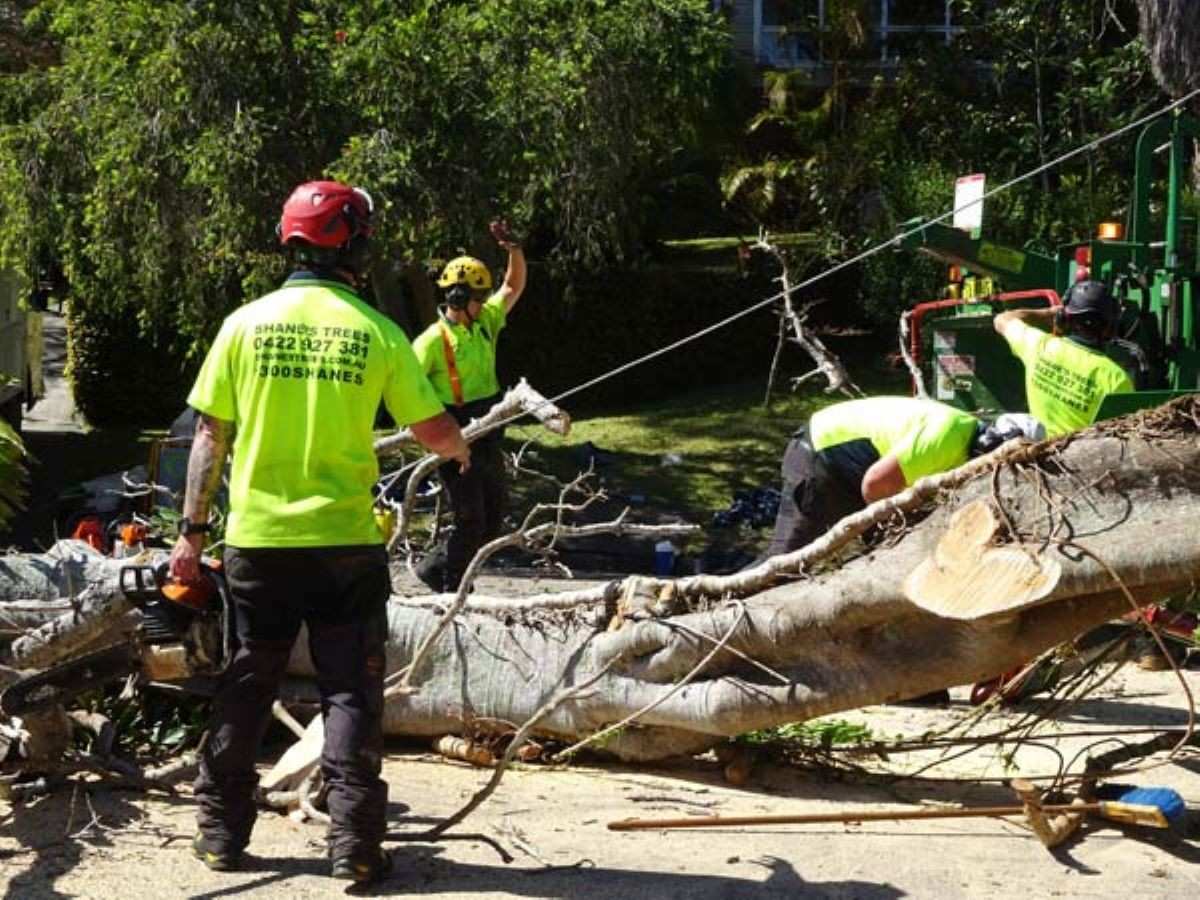
They should expect a planned, controlled dismantle, not a “cut and drop” approach. In dense streets, removals are usually sectional, with rigging to protect fences, sheds, cars, and landscaping.
After removal, stump grinding reduces trip hazards and helps reclaim usable space. It can also support replanting plans, depending on species, soil, and site constraints. They should ask how deep the grind will go and whether the arisings will be left, removed, or reused as mulch.
Do they need council approval for tree work in Epping?
They may, depending on the local council rules, overlays, and the tree’s size, species, and location. Some trees are protected, and penalties can apply if work is done without approval.
A local arborist often helps by identifying likely constraints, measuring the tree, and preparing documentation such as photos, risk notes, and a basic arborist statement. They should still confirm requirements with their council, especially for removals, significant pruning, or trees near boundaries and streets.
How do they handle storm-damaged or dangerous trees?
They prioritise hazard control, access safety, and stabilisation. After storms, risks often come from hanging branches, split unions, uprooted root plates, and partially failed limbs lodged in other trees.
A proper response usually includes making the site safe first, then deciding whether pruning, bracing, or removal is the most responsible option. They may also provide evidence for insurers, including photos and notes about failure points, decay, or prior defects.
What makes a good arborist service for Epping’s urban blocks?
They combine technical skill with clean communication and careful site management. In suburban areas, the best operators are the ones who protect gardens, respect neighbours, and leave the property tidy.
They should provide clear scope, explain what will be removed and why, and outline any risks. Useful signs include written quotes, public liability insurance, trained climbers, safe rigging systems, and a willingness to discuss tree health, not just speed and price. Check out more about Tree Removal Services Sydney: What to Expect from Start to Finish.
How can they maintain tree health between professional visits?
They can keep it simple and consistent. Most urban tree decline comes from preventable stress rather than rare diseases.
Practical steps include mulching (without piling mulch against the trunk), deep watering during extended dry periods, avoiding soil compaction over roots, and keeping mowers and whipper snippers away from bark. They should also avoid DIY pruning beyond small, low-risk cuts, since poor cuts can create decay pathways that worsen over time.
What local tree care approach suits long-term urban landscapes?
They should aim for steady maintenance, not dramatic “fixes.” A long-term approach reduces emergency callouts and keeps trees safer as they mature.
Many properties benefit from a simple cycle: a periodic health and risk inspection, light structural pruning, and proactive clearance management. When removals are necessary, replanting with the right species for the space helps keep canopy cover without repeating the same conflicts with buildings, driveways, and overhead lines.
FAQs (Frequently Asked Questions)
What services does a local arborist in Epping provide for urban tree care?
A local arborist in Epping offers practical tree care services such as tree inspections, pruning, removals, stump grinding, hedge reduction, cabling and bracing, and emergency storm response. They focus on balancing tree health with site constraints commonly found in suburban blocks and built-up streets.
Why is specialised tree care necessary for urban landscapes in Epping?
Urban trees in Epping face unique challenges like compacted soil, restricted root zones, heat reflection, tight spaces near buildings and powerlines, and frequent pruning mistakes. Specialised care helps prevent structural damage, safety risks, unstable canopies, decay development, and root-related lifting of paving.
When should property owners in Epping contact an arborist?
Property owners should call an arborist as soon as they notice visible changes or site concerns such as deadwood, sudden leaf drop, fungal growth at the base, trunk splits, peeling bark, leaning trees after storms, branches over roofs, rubbing limbs, or roots lifting paths and driveways. Early inspections are safer and more cost-effective than emergency responses.
How do arborists safely prune trees in tight suburban spaces like those in Epping?
Arborists use targeted pruning methods that reduce risk without over-thinning or topping. They focus on removing deadwood, reducing weight on extended limbs, cleaning the crown, and clearing branches from roofs and service lines while preserving the tree’s ability to photosynthesize. Heavy lopping is avoided to prevent weak regrowth and long-term decline.
Is council approval required for tree work in Epping?
Council approval may be required depending on local regulations, overlays, and the tree’s size, species, and location. Some trees are protected by law. A local arborist can assist by identifying constraints, measuring trees, preparing documentation like photos and risk notes. Property owners should confirm requirements with their council before removals or significant pruning.
What approach should be taken to maintain healthy urban trees between professional arborist visits?
Maintaining healthy urban trees involves consistent practices such as mulching correctly (avoiding piling mulch against trunks), deep watering during dry spells, preventing soil compaction over roots, keeping mowers and whipper snippers away from bark to avoid damage, and avoiding DIY pruning beyond small low-risk cuts to prevent decay pathways. Regular professional inspections complement these efforts for long-term tree health.