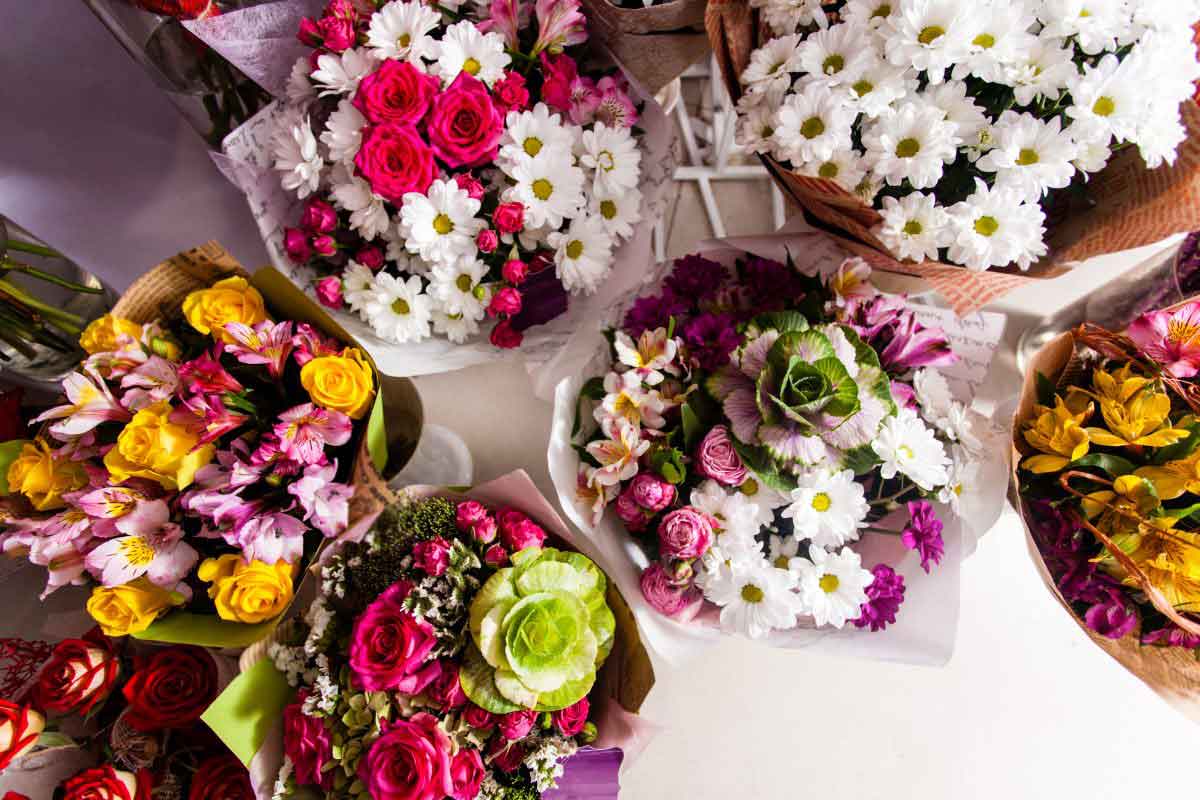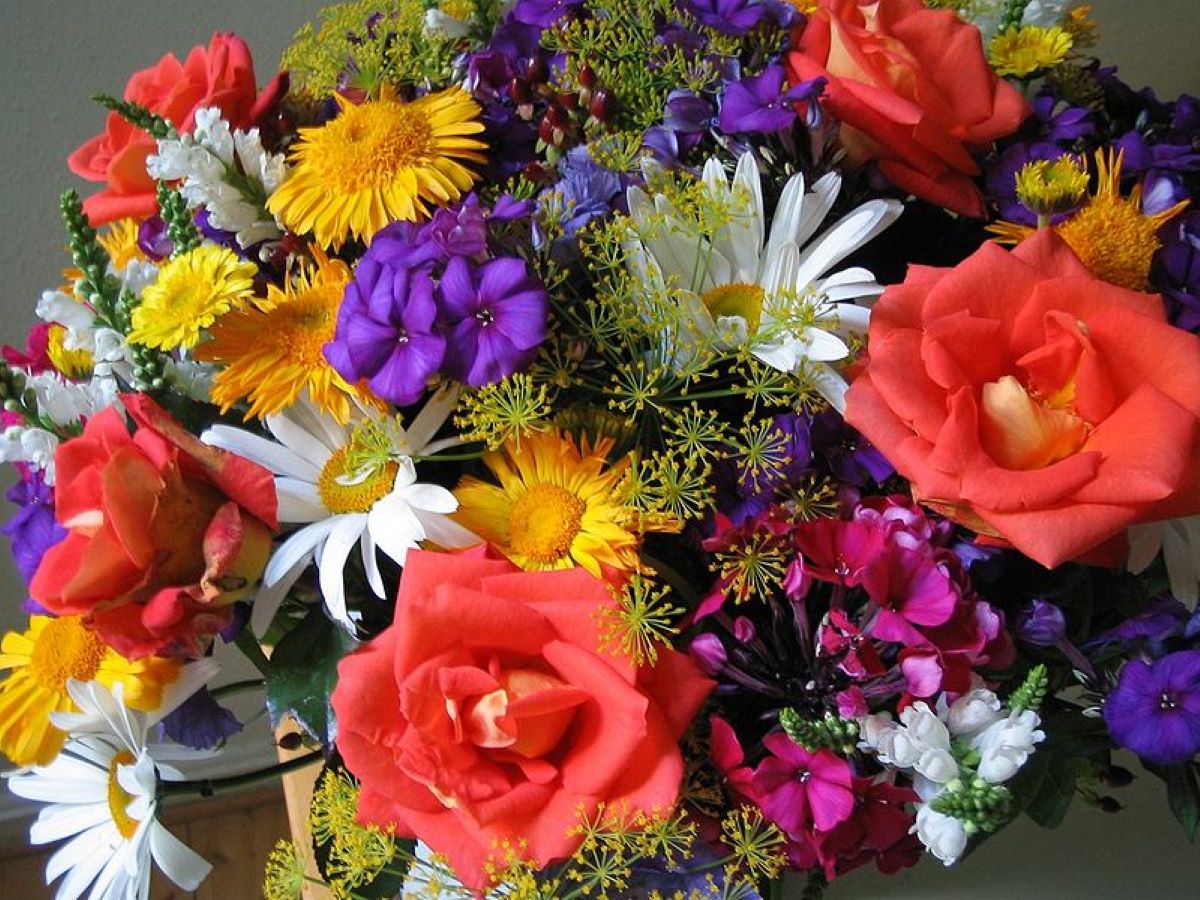
Wedding flowers transform spaces from ordinary to extraordinary, setting the emotional tone for your entire celebration. From the moment guests arrive at your ceremony to the final dance at your reception, thoughtfully chosen floral decor creates atmosphere, defines style, and captures the essence of your love story.
The smartest couples approach ceremony flowers and reception flowers as interconnected elements of a single vision rather than separate decorative challenges. This strategic thinking opens possibilities for creative arrangements that work harder throughout your day. When you plan with intention, your florals can transition seamlessly from one space to another, maintaining visual impact whilst respecting your budget.
Repurposing blooms between events isn’t merely about saving money—it’s about sustainability and maximising the beauty you’ve invested in. A stunning archway arrangement that frames your vows deserves more than a few hours in the spotlight. Those carefully selected bouquets, aisle markers, and statement pieces can find new purpose, continuing to delight guests as they celebrate alongside you.
The following wedding flower ideas demonstrate how strategic planning with your florist can create cohesive wedding flowers that enhance both ceremony and reception. You’ll discover practical approaches to moving arrangementws, timing considerations, and thoughtful ways to extend the life of your blooms beyond your wedding day itself.
How Can Couples Use Flowers to Create a Cohesive Theme for Both Ceremony and Reception?
A cohesive floral theme connects your ceremony and reception through consistent colours, flower varieties, and styling elements. This approach creates visual harmony that guides guests through your celebration, making the entire day feel intentional and beautifully curated rather than disjointed.
The key to achieving this seamless ceremony to reception transition lies in selecting a signature palette and repeating specific blooms throughout both spaces. When your ceremony arch features romantic garden roses in blush and cream, those same roses should appear in your reception centrepieces, escort card displays, and bar arrangements.
Selecting Flowers That Work Double Duty
Floral styling begins with choosing versatile arrangements that translate well between formal and festive settings. Handcrafted designs in neutral containers—such as clear glass cylinders, brass vessels, or natural wooden boxes—adapt easily to different backdrops without clashing with venue décor.
Fresh flower arrangements offer unmatched beauty and fragrance, whilst artificial alternatives provide durability for outdoor ceremonies or extended events. Many couples blend both options, using premium silk flowers for pieces that need to withstand heat or travel, and reserving fresh blooms for high-impact areas where guests will interact closely.
Establishing Your Signature Style
Consider these elements when developing your floral identity:
- Colour consistency: Choose 2-3 primary colours that appear in every arrangement
- Texture repetition: Mix blooms with similar characteristics (delicate, wild, structured)
- Greenery continuity: Use the same foliage varieties throughout both spaces
- Container coordination: Select vessels in complementary materials and finishes
Your florist can create a mood board showing how specific combinations will appear in different contexts—from ceremony backdrops to cocktail hour displays to dinner tables. This visual reference ensures every arrangement contributes to your unified aesthetic vision.
What Are Effective Ways to Repurpose Ceremony Flowers for the Reception?
Repurposing ceremony flowers for the reception delivers significant environmental and financial benefits. This approach reduces floral waste whilst cutting costs by 20-40%, allowing couples to invest in higher-quality blooms or allocate budget elsewhere. The practice aligns with sustainable wedding trends and ensures your carefully selected arrangements continue to enhance your celebration beyond the ceremony.
Strategic Relocation of Ceremony Arrangements
Arch and Altar Flowers transform beautifully when moved to high-impact reception zones. These statement pieces work exceptionally well flanking entrance doorways, framing the head table, or anchoring dessert displays. Their substantial size commands attention in any space, maintaining the visual drama they created during your vows.
Aisle Arrangements offer remarkable versatility for reception styling. Pew ends and aisle markers can be repositioned to:
- Frame welcome signs and seating charts at reception entrances
- Accent bar areas and cocktail stations
- Decorate photo booth backgrounds
- Enhance gift table displays
- Line pathways to outdoor reception spaces
Maximising Flower Usage Through Creative Placement
Smaller ceremony décor items adapt seamlessly to reception needs. Floral or greenery bows from aisle chairs find new purpose adorning reception seating, particularly at the head table or parents’ tables. These delicate touches maintain visual consistency whilst requiring minimal adjustment.
Pedestal arrangements from the ceremony venue translate effectively to reception buffet tables or stage areas. Their elevated design naturally suits these locations, creating focal points that guide guest flow and draw the eye to key areas. The height variation adds dimensional interest to the reception layout.
Practical Considerations for Flower Reuse Ideas
Coordinate with your florist to identify which arrangements travel best. Designs created in sturdy vases or designer dishes move more easily than delicate installations. Communicate specific reception locations during planning to ensure arrangements suit their secondary purpose in both scale and style.
Allow adequate time between events for repositioning. A minimum two-hour gap enables your florist or venue coordinator to relocate flowers without rushing, preserving their fresh appearance and ensuring proper placement before guests arrive.
How Can Bridal and Bridesmaids’ Bouquets Be Used After the Ceremony?
Bridal bouquets deserve a second life beyond the ceremony, transforming into stunning focal points when displayed in elegant vases filled with fresh water. Position your bridal bouquet display on the guest book table, memory table, or gift table where guests naturally gather and linger.
These precious arrangements capture attention and create conversation starters whilst serving a practical decorative purpose. The blooms remain fresh throughout the reception when properly hydrated, maintaining their beauty for photographs and guest enjoyment.
Strategic Placement for Maximum Impact
Guest Book Tables benefit enormously from a bridal bouquet display, drawing visitors toward this important station whilst they wait to sign. The arrangement adds height and visual interest to what might otherwise be a flat surface with just a book and pen.
Memory Tables gain emotional resonance when adorned with the bride’s bouquet, creating a beautiful tribute space that honours loved ones. The flowers add life and colour to photographs and mementos, softening the display with natural elegance.
Welcome Areas near entrance points work exceptionally well for showcasing these statement pieces, greeting guests as they arrive at the reception venue.
Bridesmaids Bouquets Reuse Strategies
Bridesmaids’ bouquets offer different opportunities due to their smaller scale and wrapped stems. These compact arrangements work beautifully when grouped together on refreshment tables, creating clusters of colour that complement beverages and light bites.
Cake tables particularly benefit from bridesmaids’ bouquets reuse, as the smaller proportions don’t overwhelm the dessert whilst adding romantic touches around the base. Arrange three to five bouquets in a semi-circle or scattered pattern to frame the cake without blocking views.
Bar Areas come alive with strategically placed bridesmaids’ bouquets, softening hard edges of drink stations and adding organic elements to service spaces. Position them at corners or between drink dispensers for balanced visual appeal.
Dessert Stations gain charm when bridesmaids’ arrangements nestle between sweet treats, their varied heights creating dimension across the display table.
Practical Considerations for Flower Arrangements After Ceremony
The wrapped stems of bridesmaids’ bouquets present an opportunity for creative reuse after the ceremony. Here are some practical considerations to keep in mind:
- Water Source: Ensure access to water sources at reception venues to maintain hydration levels of bouquets throughout the event.
- Vase Selection: Choose vases that complement both floral designs and overall decor aesthetic while being sturdy enough to hold arrangements securely.
- Transport Logistics: Plan transportation logistics carefully if moving bouquets from ceremony location to reception site ensuring minimal damage during transit.
- Timing Coordination: Coordinate timing between wedding day events so that flower arrangements can be set up promptly without any delays or overlaps.
By implementing these strategies you can maximise impact of both bridal and bridesmaids’ bouquets beyond their initial purpose creating lasting memories through thoughtful decor choices!
Where Can Large Floral Arrangements from the Ceremony Be Placed at the Reception?
Large floral arrangements designed in designer vases or elevated vessels transition seamlessly from ceremony to reception when positioned strategically. These statement pieces maintain their visual impact by anchoring key focal points throughout your celebration space.
Head Table
The head table serves as the ideal location for your most impressive ceremony arrangements. Positioning these substantial pieces on either side of the bridal party creates symmetry whilst framing photographs. The height and scale of these arrangements command attention without obstructing sightlines between guests and the newlyweds.
Buffet Tables
Buffet tables benefit tremendously from relocated ceremony florals. Placing arrangements at each end of the buffet line or centrally behind the food display elevates the dining experience. These pieces draw guests towards the refreshment area whilst maintaining the sophisticated aesthetic established during the ceremony.
Stage Areas
Stage areas or performance spaces require bold floral statements that remain visible from a distance. Ceremony arch arrangements or altar pieces work perfectly when repositioned flanking the stage. Their substantial size ensures they remain prominent even in larger reception venues with high ceilings.
Bar Areas
Bar areas often become social hubs during receptions, making them prime real estate for repurposed ceremony florals. A striking arrangement positioned on or near the bar counter creates an inviting atmosphere. This placement ensures maximum visibility as guests naturally congregate around beverage service areas throughout the evening.
Reception Centerpieces
Reception centerpieces crafted from ceremony pieces offer distinct advantages over traditional table arrangements. Their professional construction in sturdy containers means they’ve already proven stable during the ceremony. The elevated height of these pieces creates dramatic visual interest whilst allowing guests to converse comfortably beneath the blooms.
Entrance Areas
Entrance areas and welcome zones benefit from the grandeur of relocated ceremony arrangements. Positioning these pieces near guest book stations, seating charts, or gift tables creates an impressive first impression. This strategic placement extends the ceremony’s elegance into the reception space from the moment guests arrive.
How Can Small Floral Décor Items Like Aisle Bows Be Reused at The Reception?
Small aisle décor items offer surprising versatility when transitioning from ceremony to reception. Floral and greenery bows attached to ceremony chairs or pews can be quickly relocated to reception seating, instantly transforming the space with minimal effort.
Strategic Placement Options for Aisle Décor Reuse:
- Chair backs at the reception – Attach ceremony bows to alternating chairs or specifically to seats designated for the bridal party
- Photo booth backdrops – Cluster multiple bows together to create an eye-catching floral wall or frame
- Bar areas – Drape bows along the front of beverage stations or attach them to bar stools
- Entrance displays – Position bows near welcome signs or doorways to greet arriving guests
- Gift table corners – Secure bows to the edges of gift tables for subtle decorative accents
The compact nature of these decorative elements makes them ideal for repurposing floral bows throughout various reception zones. Unlike larger arrangements that require careful handling and specific placement, bows can be moved by venue staff or wedding coordinators in minutes.
Greenery bows prove particularly durable for extended use throughout the day. Eucalyptus, olive branches, and ivy maintain their appearance for hours without water, making them reliable choices for multiple relocations. Fresh floral bows benefit from a light misting between moves to preserve their vibrancy.
Maximising Visual Impact:
Consider grouping several smaller bows together rather than dispersing them individually. Three to five bows arranged along a sweetheart table backdrop create more dramatic impact than single bows scattered across distant chairs. This clustering technique also reduces the number of items requiring relocation whilst maintaining a strong visual presence.
Ribbon lengths from ceremony bows can be adjusted for reception use. Longer ribbons that cascaded down aisle chairs may be trimmed or tied higher for reception chair backs, adapting the aesthetic to suit different seating arrangements and table heights. Check out more about where to buy the freshest Lane Cove flowers.
What Should Be Considered Regarding Timing When Rearranging Flowers Between Events?
Successful timing flower rearrangement requires a minimum gap of 60-90 minutes between your ceremony and reception. This window allows your florist and their team to carefully transport and reposition arrangements without rushing through the process or compromising the integrity of delicate blooms.
Critical Timeline Factors
Your photography schedule directly impacts when flowers can be moved. Couples typically want ceremony site photos immediately after vows, which means floral teams must wait until the photographer has captured all necessary shots before dismantling arrangements. Coordinating with your photographer beforehand ensures they prioritise ceremony décor photos early in the session.
The physical distance between venues significantly affects event flow coordination. Same-venue weddings offer the smoothest transitions, as florists can move arrangements during cocktail hour without transport complications. Separate locations require additional travel time, potentially extending the gap needed between events to two hours or more.
Staffing Requirements
Professional florists typically assign dedicated team members specifically for rearrangement duties. These specialists arrive during the ceremony to assess which pieces will move and plan the most efficient relocation strategy. Having sufficient hands on deck prevents bottlenecks that could delay reception setup or guest entry.
Your venue coordinator should be briefed on the rearrangement schedule to ensure reception doors remain closed during the transition. Guests discovering a partially decorated space diminishes the impact of your carefully planned Wedding Flowers Ideas That Elevate Your Ceremony and Reception design.
Weather and Seasonal Considerations
Outdoor ceremonies present unique timing challenges. Summer heat accelerates wilting, making speed essential when moving fresh arrangements indoors. Winter weddings may require heated transport vehicles to protect blooms from cold damage during relocation.
- Peak season weddings (May-October) often involve multiple events at the same venue, potentially limiting access to ceremony spaces
- Indoor ceremonies offer climate-controlled environments that keep flowers fresh during extended photo sessions
- Destination weddings may require earlier setup times to account for unfamiliar venue layouts
Communication Protocols
Establish a clear chain of communication between your florist, photographer, and venue manager. A designated point person—often the wedding planner or venue coordinator—should signal when the ceremony space is released for breakdown. You may like to visit https://www.ngv.vic.gov.au/channel/floral-arranging-series/ to learn more about arranging flowers.
How Do Florists Collaborate with Couples To Balance Aesthetics And Budget Through Flower Repurposing?
Florist consultations serve as the foundation for creating a comprehensive floral plan that maximises both beauty and value. During these initial meetings, experienced florists guide couples through the possibilities of repurposing arrangements, explaining exactly which ceremony pieces can transition seamlessly to reception spaces and how this strategy reduces overall costs without compromising visual impact.
The conversation typically begins with understanding the couple’s vision, venue layouts, and timeline. Professional florists assess the distance between ceremony and reception locations, the availability of setup time, and the specific aesthetic goals for each space. This information shapes recommendations about which floral investments will work hardest throughout the day.
The Design Process for Dual-Purpose Arrangements
Budget-friendly floral design starts with intentional planning rather than afterthought adjustments. Florists create ceremony pieces in transportable containers—weighted designer vases, elegant urns, or sturdy bases—that look equally stunning in both settings. This approach eliminates the need for separate arrangements whilst maintaining a polished appearance.
Couples learn which flowers hold up best during transitions. Hardy blooms like roses, orchids, and succulents withstand movement better than delicate varieties. Florists might suggest:
- Arch arrangements designed in sections for easy dismantling and reassembly
- Aisle markers created in matching vessels that become cocktail table centrepieces
- Statement pieces built on wheeled stands for effortless relocation
- Bouquet holders that double as elegant table vases
Transparent Budget Conversations
Skilled florists present itemised quotes showing cost comparisons between purchasing separate ceremony and reception flowers versus investing in repurposable designs. These breakdowns reveal potential savings of 20-40% when couples embrace dual-purpose arrangements. The numbers demonstrate how spending slightly more on quality containers and sturdy construction pays dividends through eliminated duplication.
Florists also discuss labour costs associated with rearranging flowers. Some include this service in their packages, whilst others charge additional fees for the setup team’s time between events. Understanding these expenses upfront prevents budget surprises and allows couples to make informed decisions about which pieces warrant repurposing.
What Are Thoughtful Ways To Handle Leftover Flowers After The Wedding?
Leftover wedding flowers deserve a second life beyond the celebration. The most meaningful option involves donating arrangements to local hospitals, hospices, or aged care facilities where they can brighten patients’ and residents’ days during difficult times.
Many hospitals welcome fresh floral donations, though it’s essential to contact their volunteer services department beforehand to understand specific policies. Some facilities restrict flowers in certain wards, such as intensive care units or oncology departments, due to health and safety protocols.
Charitable Donation Options
Flower donation ideas extend beyond medical facilities:
- Aged care homes often appreciate fresh arrangements for communal areas and individual rooms
- Women’s shelters can benefit from beautiful blooms that provide comfort during challenging transitions
- Hospice centres welcome flowers that bring moments of peace to residents and their families
- Community centres may use arrangements to enhance spaces for various programmes and events
Practical Distribution Methods
Couples can coordinate with their florist or venue coordinator to pack leftover arrangements immediately after the reception. Smaller bouquets work particularly well for distribution, as they’re easier to transport and can reach more recipients.
Some florists offer post-wedding collection services, gathering remaining arrangements and delivering them to pre-arranged charitable organisations. This service removes the logistical burden from newlyweds who may be departing for their honeymoon.
Guest Take-Home Arrangements
Creating small take-home bundles allows guests to enjoy the flowers whilst reducing waste. Florists can prepare simple kraft paper wraps or small vases during the reception’s final hour, enabling guests to select their favourite blooms as they depart.
Designating specific arrangements for guest collection prevents confusion. Centrepieces often serve this purpose well, with table numbers indicating which guests have first choice of their table’s flowers.
Preserving Special Pieces
Certain arrangements hold sentimental value worth preserving. The bridal bouquet, in particular, can be professionally dried, pressed, or preserved in resin to create lasting keepsakes. Florists often partner with preservation specialists who can transform fresh flowers into framed artwork or three-dimensional displays.
Pressing individual petals from significant arrangements creates material for future craft projects.
Conclusion
Wedding flowers are more than just decorations—they represent the atmosphere, personality, and vision that couples bring to their celebration. This guide has shown how careful planning can turn flowers into versatile design elements that enhance both the ceremony and reception.
Successful floral design starts with open conversations between couples and their florists. These discussions unlock creative possibilities that honour both aesthetic dreams and practical realities. When couples share their vision while being open to professional insights about repurposing and placement, they discover solutions that enhance beauty without increasing costs.
The most memorable wedding flower ideas often have common themes:
- Intentional planning that considers the complete journey of each arrangement
- Flexibility in moving pieces between spaces to maximise visual impact
- Sustainability through thoughtful reuse rather than single-use displays
- Generosity in sharing remaining blooms with communities beyond the wedding venue
Couples who embrace innovative thinking about their flowers often find this mindset naturally extends to other aspects of the wedding. The same creativity that reimagines ceremony arch flowers as reception focal points can inspire fresh approaches to seating arrangements, entertainment choices, and guest experiences.
Your wedding day flowers deserve to shine from the first petal toss to the final dance. By viewing them as dynamic elements rather than static decorations, you create opportunities for beauty to unfold in unexpected ways. Trust your florist’s expertise, communicate your priorities clearly, and remain open to solutions that serve both your vision and your values. The result? A celebration where every bloom fulfils its potential and contributes to moments you’ll treasure for years to come.
FAQs (Frequently Asked Questions)
How can couples create a cohesive floral theme that seamlessly transitions from the ceremony to the reception?
Couples can establish a cohesive floral theme by selecting handcrafted fresh or artificial flower arrangements styled to complement both the ceremony and reception settings. This approach ensures a seamless flow and enhances the overall aesthetic of the wedding day.
What are some effective ways to repurpose ceremony flowers for the reception to maximise usage and reduce waste?
Repurposing ceremony flowers is both sustainable and cost-effective. Practical ideas include relocating bouquets, arch arrangements, and aisle décor to key reception areas such as entrances, seating charts, bridal tables, or buffet tables, thereby maximising impact throughout the event.
How can bridal and bridesmaids’ bouquets be utilised creatively after the ceremony?
Bridal bouquets can be displayed in elegant vases on guest book or memory tables to continue their visual appeal. Bridesmaids’ smaller bouquets are perfect for adorning refreshment or cake tables, adding charm and cohesion to the reception décor.
Where should large floral arrangements from the ceremony be placed during the reception to maintain their impact?
Large floral arrangements can be effectively relocated into designer vases or dishes and positioned beside key areas like head tables, buffet stations, or stages. This strategy maintains their grandeur while enhancing focal points within the reception venue.
In what ways can small floral décor items such as aisle bows be reused at the reception?
Small aisle décor items like floral or greenery bows are versatile and can be repurposed by attaching them to chairs or placing them near photo displays during the reception, extending their decorative value beyond the ceremony.
What considerations should be made regarding timing when rearranging flowers between wedding events?
Allowing sufficient time between events is crucial for florists to rearrange flowers without disrupting photography schedules or overall event flow. Proper coordination ensures smooth transitions and preserves the aesthetic integrity of both ceremony and reception.